Belgium's IT sector enters Qorddu.

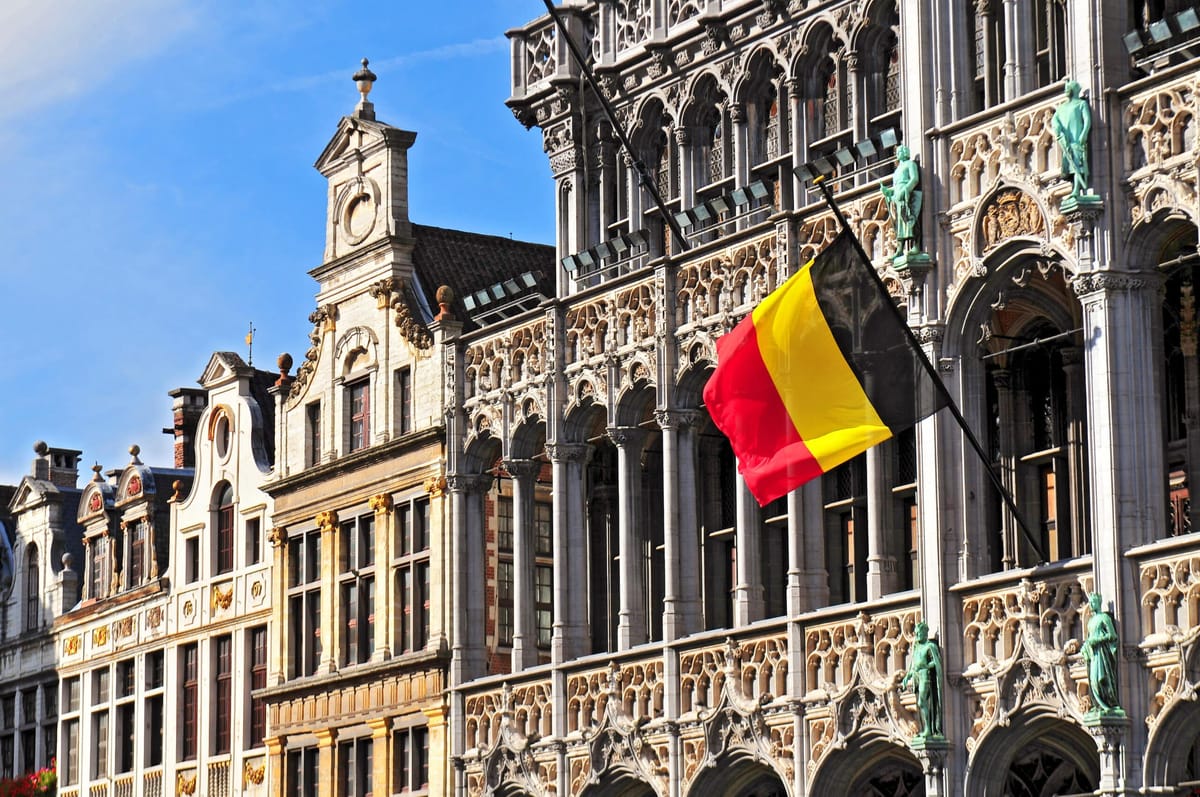
The IT engine for Belgium is now deployed — indexing software companies, integrators, consultancies, digital infrastructure, and the institutional layer of one of Europe's most quietly dense technology markets.
Belgium does not announce itself. It is not a country that produces loud technology narratives or high-profile startup moments — yet it is home to one of the highest concentrations of IT services companies per capita in Western Europe, a sprawling network of system integrators that quietly run the digital infrastructure of multinationals, government agencies, and financial institutions across the continent. Brussels alone is a node through which an outsized share of European regulatory and institutional technology flows. None of this shows up clearly in generic search. This engine changes that.
The engine-it-be covers Belgium's information technology sector end to end: software publishers and ISVs, IT services and consulting firms, system integrators, managed service providers, cloud and data centre operators, cybersecurity specialists, and the institutional bodies — federations, clusters, public digital agencies — that frame and regulate the market. The engine is structured around the country's two dominant technology geographies: the Flemish corridor from Ghent through Antwerp to Brussels, and the Walloon digital ecosystem centred on Liège, Namur, and the Louvain-la-Neuve research hub.
"Belgium's IT sector is one of Europe's best-kept professional secrets. The engine's job is to make it findable."
The linguistic architecture of Belgium is not incidental to how this engine is built. Dutch-language IT content dominates the Flemish market; French-language content covers Wallonia and much of Brussels' public and institutional sector; English is the operating language of the international and EU-facing layer. The engine indexes all three, with source weighting calibrated to the linguistic reality of each sub-market rather than applying a single language hierarchy across the whole country.